Disclosure: Japan Brief may later earn a commission if you book certain tours or travel services through links on this site. This article does not contain booking links yet, and it is not a sponsored review.
Japan’s cities are full of shops, parks, and neighborhoods that a visitor has already seen on a screen. That can be a wonderful way to travel — if you treat the city as a living place, and if you accept that some of the most famous “locations” are either ordinary streets, working businesses, or buildings you cannot enter. This guide is for a first-time visitor who wants a pop-culture thread running through an 8- to 11-day Tokyo–Kyoto–Osaka trip: a full day at Universal Studios Japan in Osaka, a small number of official anime-related visits in Tokyo, and a careful approach to film and television locations, especially in Kyoto.
It is not a list of every pilgrimage site, and it is not a review of rides. It is a booking-and-pacing plan, with a note on manners that matters more here than on a standard temple circuit.
Start with a shape, not a spreadsheet of spots
If you also want the classic first-timer cities, keep the same three bases described in our 11-day Tokyo-to-Osaka train guide, and hang pop-culture stops on that frame rather than inventing a fourth and fifth hotel.
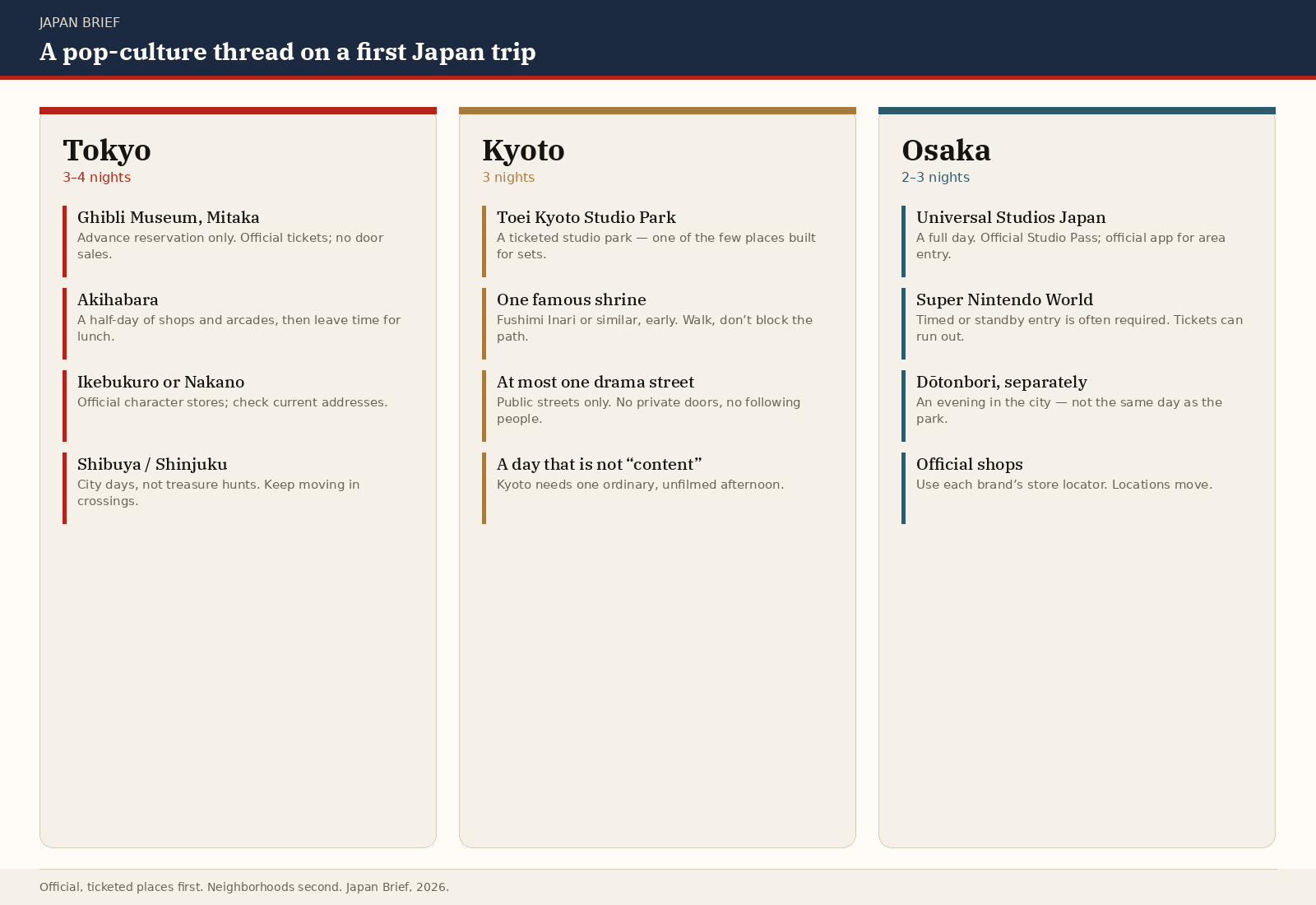
A workable shape looks like this:
- Tokyo (three or four nights): one official museum or park with timed entry, one neighborhood day (Akihabara, and if you still have energy, Ikebukuro or Nakano), and evenings for food, shops, and a night view you actually chose.
- Kyoto (three nights): one studio-park or film-related visit, one ordinary Kyoto day that is not “content,” and no more than one neighborhood that you have seen in a drama or film.
- Osaka (two or three nights): one full day at Universal Studios Japan, and a separate evening in the city. Do not attach Hiroshima, Nara, or a Kyoto return to the park day.
If pop culture is the point of the whole trip, you can invert the usual emphasis: more time in Osaka and Tokyo, and a shorter Kyoto stay. What you should not do is try to “do USJ” in a morning and a pilgrimage in an afternoon. Park days, museum days, and city-walk days have different rhythms.
Independent travel fits this kind of trip well, because the official tickets are sold to individuals and the interesting shops keep their own hours. A small-group tour can still make sense for the long-distance legs, provided you check that the itinerary leaves a free day in Osaka for the park, and that the tour’s age band actually includes you.
Universal Studios Japan: buy official, and give it a whole day
Universal Studios Japan (USJ) sits in the Konohana area of Osaka, a short ride from the main city stations on JR and other lines. It is a full theme park, not a quick add-on to Dōtonbori. On a first trip, the main planning problems are tickets, hours, and area entry for Super Nintendo World, not which ride to board first.
Studio Pass prices vary by date. On the official ticket pages, a one-day Studio Pass is listed from 8,400 yen for ages 12 and over, 5,500 yen for children aged 4–11, and 7,600 yen for visitors 65 and over. A two-day pass is listed from 16,000 yen (adult) and 10,500 yen (child). Twilight and seasonal night tickets, when they are sold, cost less and start later in the day. These are starting prices including tax, and the official store says they can change with the date and with inventory. Buy from the official Universal Studios Japan ticket store or a clearly authorized seller, and treat social-media resale accounts as a last resort you should usually refuse.
Park hours change by day. Official calendars in 2026 have often shown openings around 9:00 and closings between early evening and 21:00, but you must check the official schedule for your date. Express Passes, which shorten the wait at a set number of attractions, are sold separately and do not include park admission. They are also date- and inventory-dependent; a first visit can be enjoyable without one if you arrive at opening and accept that a few popular rides may be a long wait.
Super Nintendo World is the area that catches visitors out. Official park pages say that an Area Timed Entry Ticket (including an advance-booking version) or a Standby Entry Ticket is generally required to enter the area, though on some days entry is possible without one. From 5 January 2026, the official app is required to obtain Area Timed Entry Tickets and Standby Entry Tickets. Register your Studio Pass in the app, ideally before you reach the gate. Free timed or standby tickets, when they are being issued, are obtained inside the park and can run out. None of this is a substitute for a park ticket, and none of it guarantees that a particular ride will be open.
If you are traveling with someone who cares about this area, make the app, the official ticket, and an early arrival the plan — not a same-day hope. Keep the rest of that calendar day empty.
Tokyo: official doors, not studio fences
Tokyo is the easiest city in which to spend money on anime, games, and music, and the easiest city in which to waste a day on a closed door.
The Ghibli Museum, Mitaka, is the model of an official visit. It is in Inokashira Park’s neighborhood, in Mitaka, on the western side of Tokyo, and it is not a drop-in attraction. All admission is by advance reservation for a specific date and entry time. The museum’s official ticket page lists prices at 1,000 yen for ages 19 and over, 700 yen for ages 13–18, 400 yen for ages 7–12, 100 yen for ages 4–6, and free for ages 3 and under. Tickets are not sold at the door. Overseas visitors can buy through Lawson Ticket, which typically releases the next month’s tickets at 10:00 Japan time on the 10th of the month, or through the official special bus tour listed on the museum site. Tickets are for a stated entry time; they are not transferable for resale. Closed days are listed on the official calendar (Tuesdays are a common closing, with exceptions). If you cannot get a ticket, skip it. Do not go to the museum hoping for a cancellation board, and do not confuse the museum with Studio Ghibli’s workplace in Koganei, which is not a public museum.
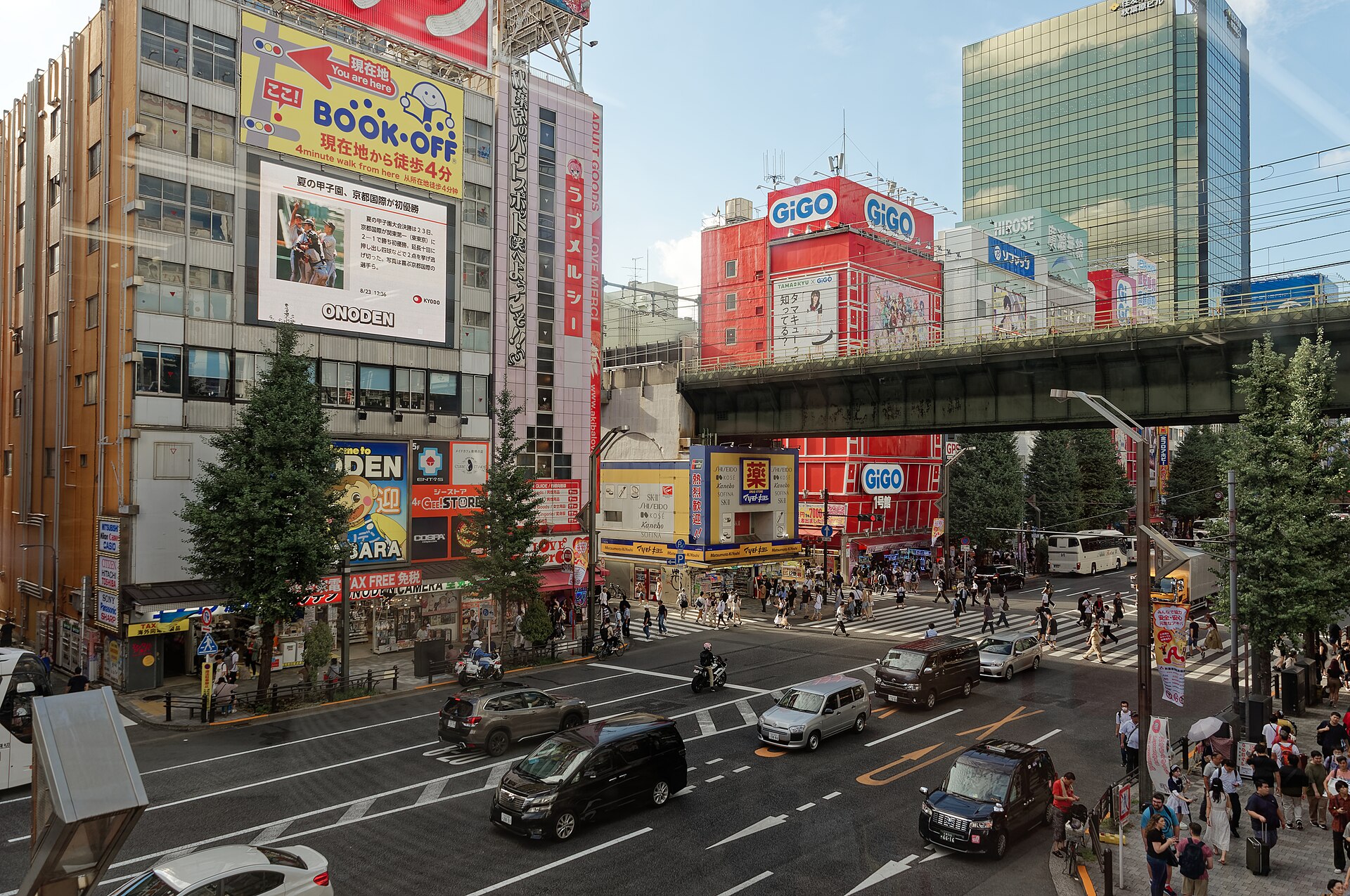
Akihabara remains the most concentrated district for hobby shops, arcades, and character goods. It is also a commuter station and a place where people live and work. A half-day is enough for a first visit if you pick a couple of buildings and leave time for lunch. Multi-storey shops change their floor layouts; use the building directories. If you go into a maid café or similar venue, read the rules on photos, time charges, and drinks before you sit down. They are businesses with house rules, not film sets.
Ikebukuro and Nakano are the usual second stops: large corporate character stores and specialist buildings in Ikebukuro, and the tight second-hand corridors of Nakano Broadway. Official Pokémon, Jump, and other brand shops exist in several Tokyo locations; use each company’s official store locator for the current address and hours rather than a screenshot from a three-year-old video.
Shibuya and Shinjuku appear in more films, dramas, and anime than any list can usefully name. That is precisely why they work better as city days than as treasure hunts. If you want one “I have seen this crossing” moment, go, then move on and have a meal. Standing in the middle of a scramble crossing to recreate a shot is how you become a problem for the people trying to get to work.
The official Tokyo tourism site maintains its own lists of animation-related spots, and the Anime Tourism 88 project publishes a national selection of locations. Use lists like those as a starting point, then check opening times. Be wary of unofficial “pilgrimage maps” that drop pins on private houses, schools still in use, or the sidewalk in front of someone’s home.
Kyoto: film, television, and a living city
Kyoto is visually over-represented in period drama, and it is also a city of neighborhoods, temples, and ordinary shopping streets. The respectful way to do a pop-culture visit here is to put official, ticketed spaces first, and residential streets a long way second.
Toei Kyoto Studio Park (Toei Uzumasa Eigamura), in the Uzumasa area, is a studio park built around film and television sets, especially period streets. It is one of the few places where walking around “as if you were on a set” is actually the point, and where photography rules are posted rather than improvised. Check the official park site for hours and tickets before you go; do not assume it is open every day, or that every interior is included. It combines reasonably with a western-Kyoto day, and poorly with a rushed Fushimi Inari sunrise.
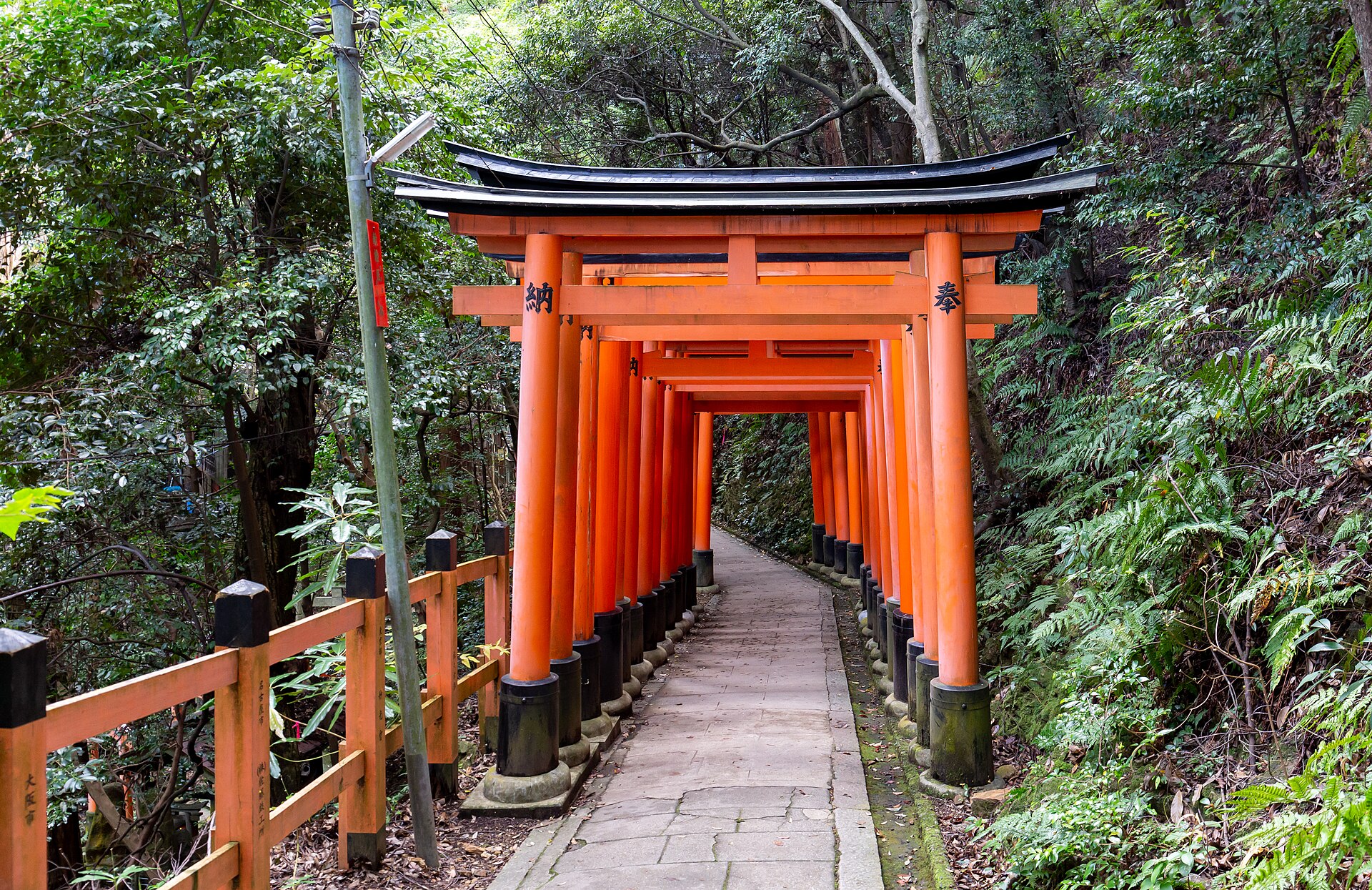
Fushimi Inari Taisha and other famous shrines appear in films and travel series constantly. You do not need a plot reason to go. Go early, keep to the path, and do not stop a long line of walkers for a posed photograph under a torii.
Drama and film locations in Kyoto are a more delicate category. Some productions use real markets, restaurants, and streets. Some use sets. Some use a real exterior and a studio interior. Unless a tourism board, a venue, or the production itself has published a visiting note, treat a “location” as a place you may look at from the public street, not as a place that owes you a recreation. Do not enter restaurants only to photograph the door, do not ask staff to confirm a rumor, and do not film inside a shop or a private alley. The Netflix series The Makanai: Cooking for the Maiko House, for example, sent many visitors toward Kyoto’s working geisha districts and markets. Those are job sites and homes. Walk through as a guest of the city, buy something if you go into a market, and leave the people in kimono alone.
The same rule applies in Gion at dusk. If you came because of a series, you still do not get to block a side street.
What “drama locations” can honestly mean
Visitors often arrive with a list of titles — a late-night diner story set in Shinjuku, a travel monologue that stops at a real restaurant, a film that uses a luxury hotel as its axis, a crime series that shoots in recognizable nightlife streets. A few of those places are official and can be booked, like a hotel bar or a studio park. Many more are ordinary exteriors. A short, honest policy for this site:
- Prefer places that have invited visitors: museums, parks, studio tours, and shops that sell the relevant goods.
- If a location is a restaurant or bar still in business, book a table or sit as a customer. Do not photograph other guests.
- If a location is a private home, a school, or a shrine that has asked people not to gather, drop it from the list.
- Confirm the place against an official source. Internet maps mix up streets with similar names, and they often lag behind closures.
You will have a better trip if you pick two titles you actually care about and build a single afternoon around them, rather than chasing ten pins across three wards.
Osaka after the park, and the rest of the hobby map
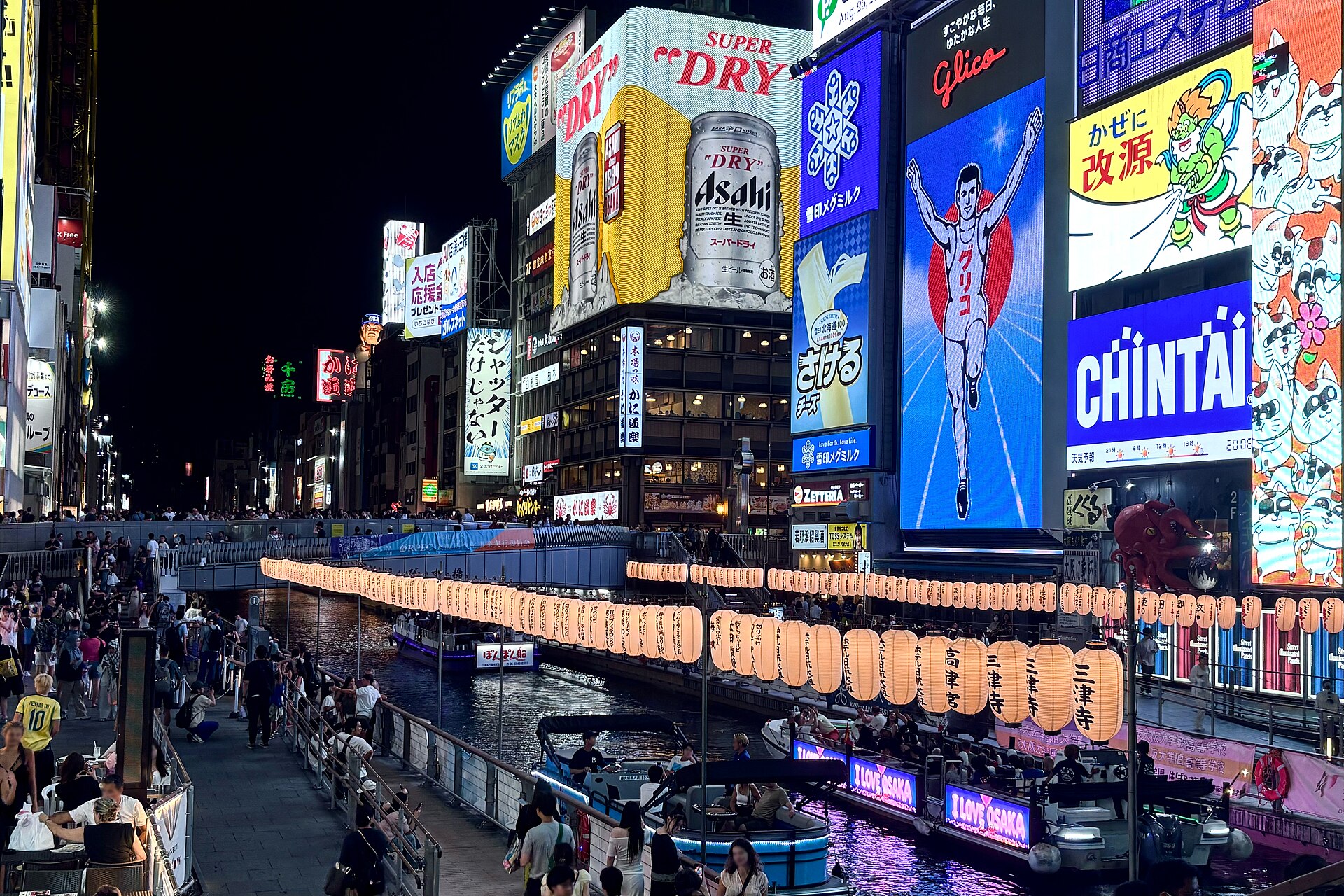
Give USJ its own day, then see the city separately. Dōtonbori at night is the obvious, crowded, still-enjoyable counterweight to a day inside a park. Kuromon and the shopping arcades are for food; Umeda is for departures and department stores. Official character shops and Pokémon Centers also operate in Osaka — again, use the official locator, because store locations move.
If you have a third Osaka day, that is the moment for a castle and park walk, or for a day trip that is not pop culture at all. The trip usually feels more balanced if at least one day in Kansai has nothing to do with a franchise.
Manners that are specific to this kind of travel
A few habits will keep you from being the visitor a neighborhood remembers for the wrong reason:
- Do not publish precise addresses of private homes or of small restaurants that have not asked for the attention.
- Do not use drones, large light stands, or tripods on narrow streets.
- Follow “no photo” signs, including those in shops, trains, and museum interiors. Character exhibitions and official museums are often strict.
- In packed crossings and station concourses, keep moving. Recreate the shot later from a sidewalk, or not at all.
- Cosplay belongs in events, parks that allow it, and official photo spots, not in someone else’s wedding pictures at a shrine.
- Buy from official shops and authorized ticket sellers. Counterfeit goods and unofficial “skip the line” accounts are not a shortcut; they are a risk.
A compact booking checklist
- USJ Studio Pass for a specific date, from the official store, plus the official app if Super Nintendo World is on your list.
- Ghibli Museum tickets, if you want them, at the official monthly release time — or a firm decision to skip.
- Any other timed museum or exhibition.
- A hotel near a main Osaka station or in the bay area for the park morning, and a Tokyo hotel from which Mitaka is a reasonable ride if you booked the museum.
- One drama or film afternoon, researched from official sources, with a backup café if the place is closed.
If you would rather not assemble the Tokyo and Kyoto days yourself, look at a tour only after you have locked the official park and museum tickets. Compare Classic itineraries as well as any 18–39 departure, and make sure the free days fall where the tickets are. A group departure cannot usually wait outside Lawson Ticket with you on the 10th of the month.
The through-line of a good pop-culture trip is not completeness. It is a few official rooms you were actually allowed to enter, a neighborhood you walked through without making it worse, and a park day that was not stacked on top of a shinkansen.
Sources
- Universal Studios Japan, official ticket lineup (Studio Pass starting prices and age bands): https://www.usj.co.jp/web/ja/jp/tickets/lineup
- Universal Studios Japan, official English ticket store: https://www.usjticketing.com/
- Universal Studios Japan, Super Nintendo World (area entry and official app requirement from 5 January 2026): https://www.usj.co.jp/web/en/us/areas/super-nintendo-world
- Universal Studios Japan, Area Timed Entry Tickets and Standby Entry Tickets: https://www.usj.co.jp/web/en/us/enjoy/numbered-ticket/timed-entry-ticket
- Universal Studios Japan, operation hours and schedule: https://www.usj.co.jp/web/en/us/park-guide/schedule/park-hour2
- Ghibli Museum, Mitaka, official tickets and prices: https://www.ghibli-museum.jp/en/tickets/
- GO TOKYO, official Tokyo animation-spot guidance: https://www.gotokyo.org/en/anime-and-manga/animetourism88/index.html
- Anime Tourism 88: https://animetourism88.com/