Disclosure: Japan Brief may later earn a commission if you book certain tours or travel services through links on this site. This article does not contain booking links yet, and it is not a sponsored review.
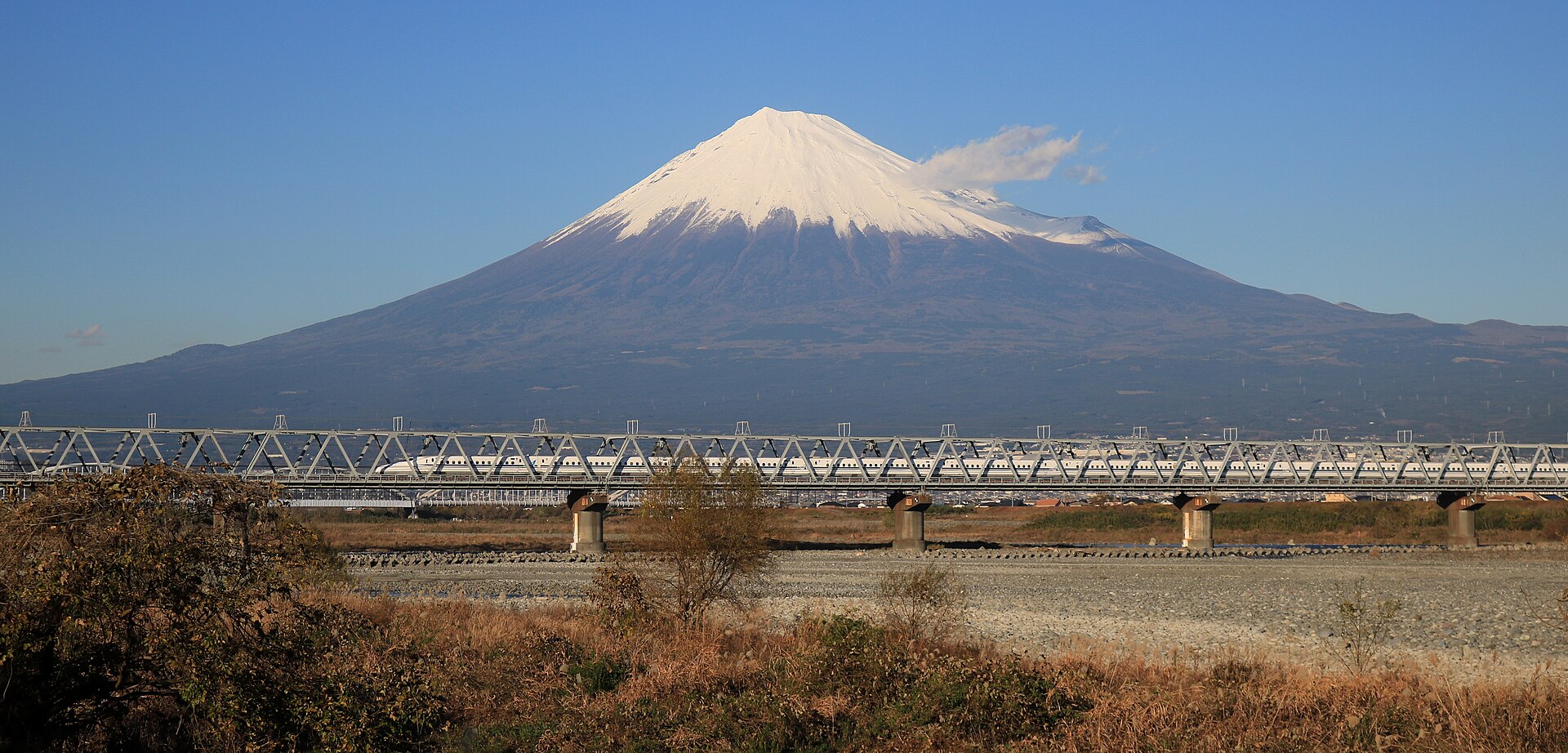
The classic first itinerary in Japan runs from Tokyo toward Osaka. It is popular for a reason: you can see the capital, the old capital, and a food-driven commercial city without leaving the Tokaido corridor, and you can do the long legs on the shinkansen (bullet train). What first-time visitors usually underestimate is not the distance. It is the cost of packing, checking out, and finding a new hotel every night.
This guide proposes two versions of an 11-day, Tokyo-to-Osaka trip. The one we recommend for most people uses three hotel bases — Tokyo, Kyoto, and Osaka — and takes a day trip to Hiroshima and Miyajima from the Kansai side. The wider loop adds a stay in Takayama, in the Hida region, and is better if you want a quieter wooden town between the big cities. Both are independent itineraries. Organized tours that follow a similar corridor exist, and they are a reasonable choice for some travelers; they are not the default.
The decision that actually matters: how many times you move
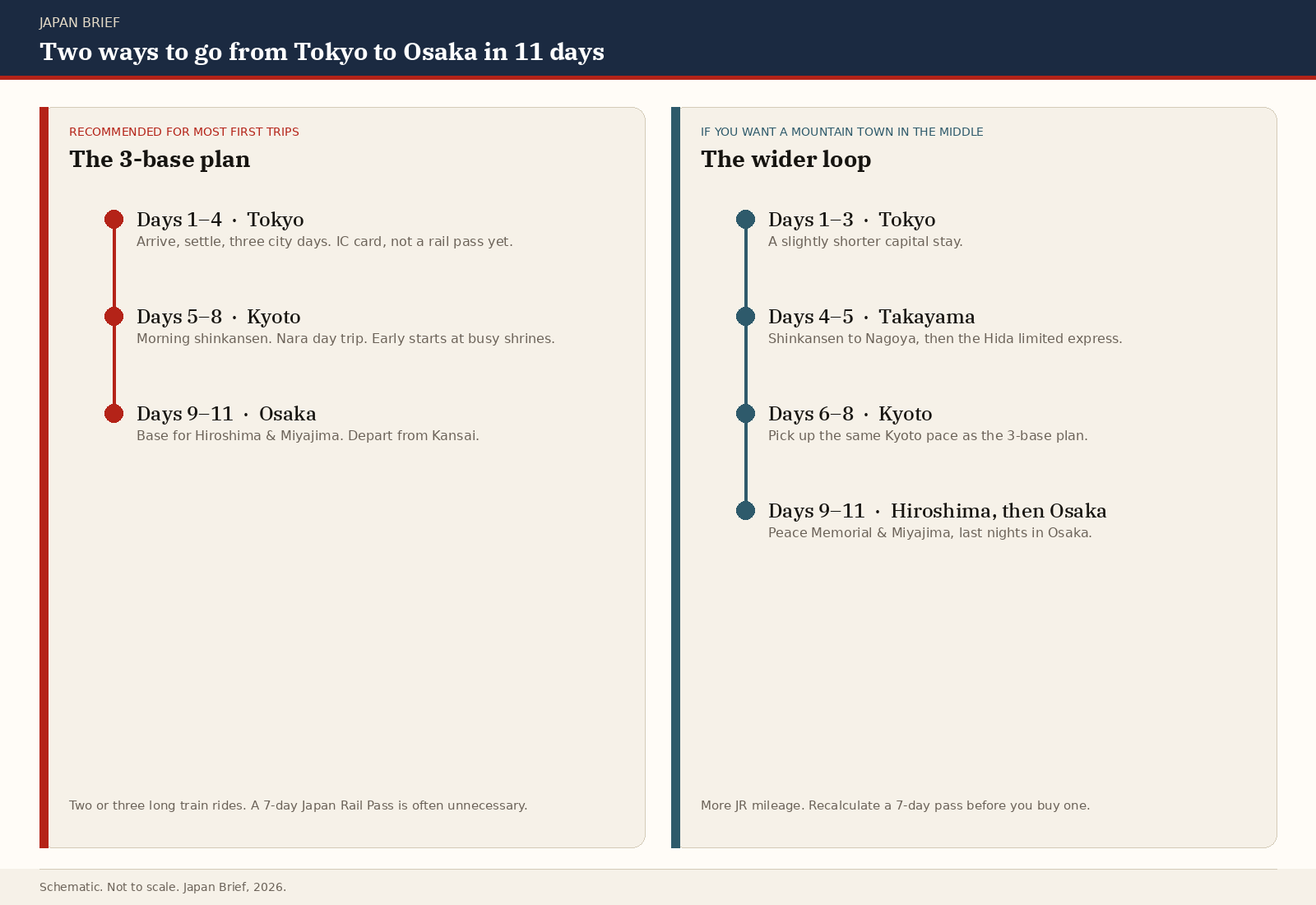
An 11-day trip has ten nights. If you spend those nights in five or six hotels, you will lose a surprising amount of time to luggage, check-in windows, and the mildly heroic act of finding the right station exit with a suitcase. Three bases keep the long train rides to two or three, which is also when the Japan Rail Pass maths (more on that below) becomes clear.
A simple way to think about the days, counting Day 1 as the day you arrive in Japan:
The 3-base plan (recommended for most first trips)
- Days 1–4: Tokyo (three full days after the arrival day, or two and a bit if your flight lands late)
- Days 5–8: Kyoto, with a Nara day trip and, if you have the energy, the start of a Hiroshima trip
- Days 9–11: Osaka, with a full-day trip to Hiroshima and Miyajima, and a departure from Kansai or Osaka
The wider loop (if you want a mountain town in the middle)
- Days 1–3: Tokyo
- Days 4–5: Takayama
- Days 6–8: Kyoto
- Day 9: Hiroshima and Miyajima, then on to Osaka
- Days 10–11: Osaka, then departure
Neither plan is a treasure hunt. Tokyo will still be there on a later trip. The point of eleven days is to leave with a feel for the country, not a complete collection.
Before you buy a rail pass
The Japan Rail Pass is sold to visitors traveling as Temporary Visitors. It is sold as a 7-day, 14-day, or 21-day pass, in Ordinary and Green Car versions. On the official Japan Rail Pass site, the Ordinary adult prices are 50,000 yen for seven days, 80,000 yen for 14 days, and 100,000 yen for 21 days. If you buy an exchange order through an overseas JR-designated agency, the same Ordinary adult passes are 53,000 yen, 84,000 yen, and 105,000 yen. Those agency prices have applied to purchases made on or after 1 October 2026; the official online shop has been holding the lower prices for a limited period, and JR has not announced when that freeze will end. Always confirm the price on the official site on the day you buy.
The pass is usually not worth it for a simple Tokyo–Kyoto–Osaka trip. A one-way reserved seat on the Tokaido Shinkansen between Tokyo and Shin-Osaka is typically in the mid-14,000-yen range, depending on the train type and season, so a one-way ride plus a few local JR trips does not reach 50,000 yen. The pass becomes more interesting when several long JR journeys fall inside the same seven consecutive days — for example Tokyo to Kyoto, Kyoto or Shin-Osaka to Hiroshima, and the return toward Osaka or Tokyo.
Two rules catch first-time buyers:
- The pass does not, by itself, cover Nozomi or Mizuho trains on the Tokaido, Sanyo, and Kyushu Shinkansen. Those are the fastest services. Pass holders can ride them only with a separate ticket that JR sells to pass holders. Hikari and Sakura trains are the usual pass-friendly choice, and they are still fast; Tokyo to Shin-Osaka on Hikari is typically a little under three hours.
- The seven days run consecutively from the date you activate the pass. If you activate it on the afternoon you land in Tokyo, you may spend one expensive day on subway lines that the nationwide pass does not fully cover. It is often smarter to use a local IC card in Tokyo and start a 7-day pass on the morning you leave the city.
For this itinerary, a practical approach is: buy individual shinkansen tickets if you stay on the 3-base plan and only add one Hiroshima day trip. Recalculate if you take the wider loop and cluster Takayama, Kyoto, and Hiroshima inside seven days. Add up the JR tickets you would buy anyway, and only then compare the total with 50,000 yen (or 53,000 yen). Do not count subway rides in the cities.
Individual tickets can be bought at JR ticket offices, at reserved-seat machines, or through official services such as SmartEX for the Tokaido and Sanyo Shinkansen. For busy days — Friday evenings, Sunday late afternoons, and the New Year period — reserve a seat.
Getting around the cities: Welcome Suica and friends
For subways, local trains, buses, and a surprising number of convenience stores, a prepaid IC card is more useful than the nationwide rail pass. JR East’s Welcome Suica is designed for temporary visitors. It is valid for 28 days including the day of purchase, it does not require a deposit, and remaining value is not refunded at the end. You can buy one at Narita and Haneda airport stations, at several JR East Travel Service Centers in the Tokyo area, and at some other listed locations. In principle only one card is sold per person. It can be topped up in yen, up to 20,000 yen, at marked machines and at Seven Bank ATMs.
Welcome Suica works on the nationwide mutually usable IC network (the Suica, PASMO, ICOCA and related marks) for ordinary trips inside a region. It cannot be used for a single continuous journey that crosses from one IC area to another — for example, you cannot tap in in Tokyo and tap out in Sendai. For a Tokyo–Kyoto–Osaka trip this rarely matters, because the long legs are shinkansen tickets, not IC taps.
If you already use a mobile Suica, PASMO, or ICOCA on a compatible phone, you may not need a plastic tourist card at all. Check the official issuer’s page for your device before you fly; availability depends on the phone and the country of the store account.
Luggage: send it ahead, ride with a bag
Shinkansen cars have overhead racks and a limited number of oversized-baggage spaces, and some trains require a reservation for the largest suitcases. The more comfortable habit is to travel between cities with a day bag and send the suitcase ahead with a luggage-forwarding service (often called takkyubin). Hotel front desks can usually arrange this for the next day, or sometimes the same day if you catch the cutoff. Do not put passports, medicines, or tomorrow's clothes into the bag you are sending.
A transfer at Tokyo Station or Shin-Osaka with two large cases can take longer than the ride itself.
The 3-base plan, day by day
Days 1–4: Tokyo
Land, get into the city, and stop. If you arrive at Narita or Haneda, follow official airport rail or bus options into town and check in before you invent a sightseeing plan. A shower, an easy meal, and a short walk in the neighborhood will do more for the trip than a forced visit to a famous crossing on hour two.
On the full days, pick one anchor in the morning and one in the afternoon, not five. A straightforward mix is:
- One traditional district: Asakusa and the area around Sensō-ji, or the gardens and shrines of the Ueno–Yanaka side.
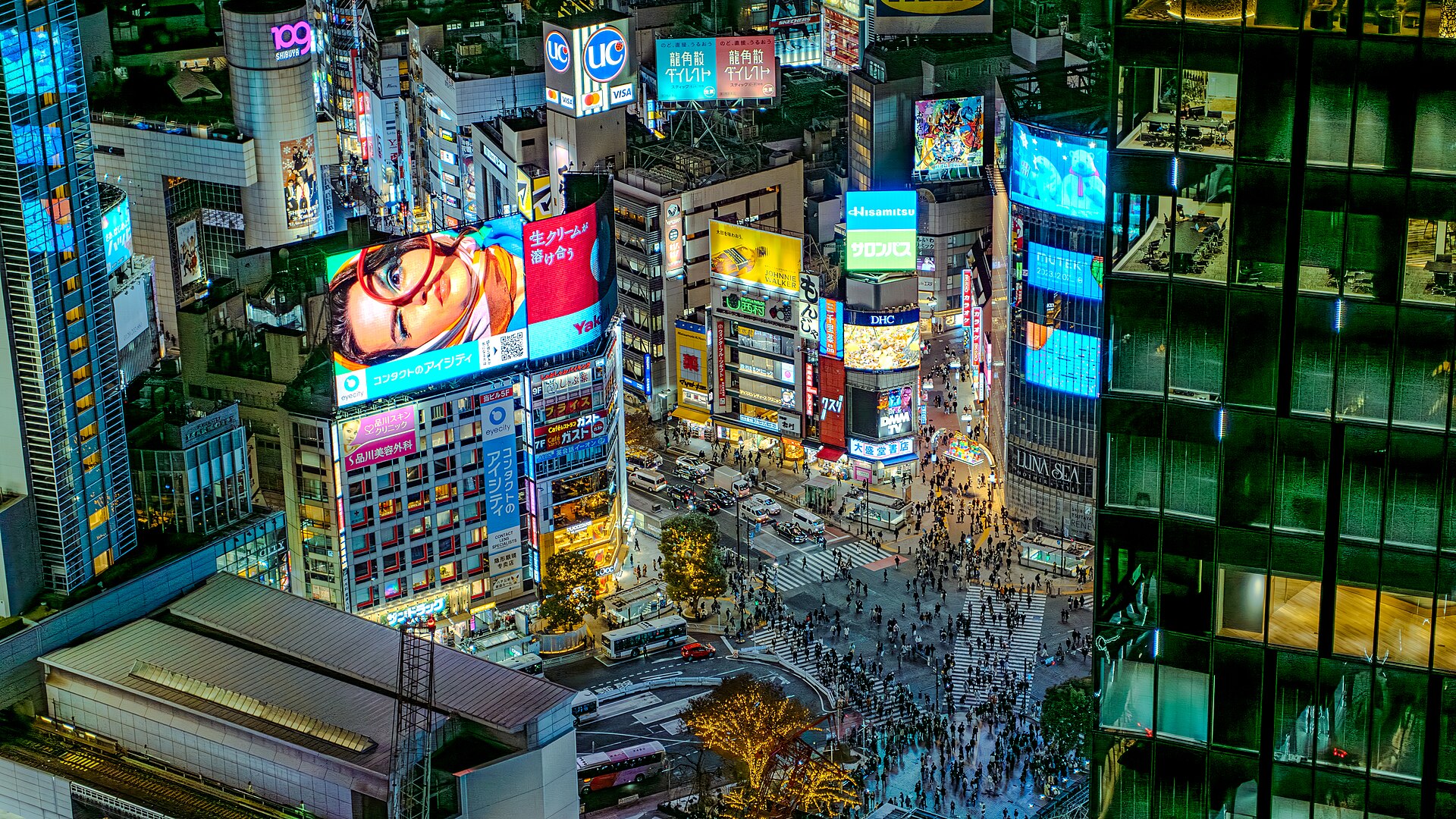
- One modern crossroads: Shinjuku or Shibuya, preferably in daylight first so you can return in the evening without being lost.
- One quieter or green space: Meiji Jingū and Yoyogi Park, or a river walk in Tokyo Bay if the weather is kind.
- Optional, if you care about it and have booked ahead: a museum with timed entry (the Ghibli Museum in Mitaka is the obvious example; see our pop-culture guide).
Tokyo’s subway is more manageable if you follow station numbers and exit numbers, and if you treat IC taps as the default. Stay near a Yamanote Station if you can — Ueno, Tokyo, Shinjuku, Shibuya, or Ikebukuro — so the departure morning is a single ride to Tokyo Station or Shinagawa.
Days 5–8: Kyoto
Take a morning shinkansen from Tokyo or Shinagawa to Kyoto. Hikari trains take a little under two and a half hours; Nozomi is faster if you have bought a regular ticket. Check the official timetable when you book. Send large luggage the day before, or use coin lockers for a few hours if your Kyoto room is not ready.
Kyoto rewards early starts and punishes a schedule that tries to collect every famous temple in two days. A saner pattern:
- One “must-see” shrine or temple that you accept will be busy, such as Fushimi Inari Taisha (go early) or Kiyomizu-dera.
- One calmer precinct: a garden or sub-temple in the northeast or northwest, or a stretch of the Philosopher’s Path on a weekday morning.
- A half-day in central Kyoto — Nishiki and the covered shopping streets are convenient, and they are also working markets, so keep your bag close and your camera out of people’s shops unless you have asked.
- A day trip to Nara. The JR and Kintetsu routes both work; Kintetsu Nara Station sits closer to the park. Budget most of a day. The deer are not an amusement ride; give them space, and do not force food on them.
Evenings in Kyoto can be quiet compared with Tokyo or Osaka. Gion is a residential and professional district as well as a sightseeing area. Do not block lanes to photograph geiko or maiko, and do not follow anyone down a private street.
Days 9–11: Osaka, plus Hiroshima and Miyajima
Kyoto to Osaka is a short hop — on JR, private railways, or even a considerate taxi if you are a group with bags. Use Osaka as the base for one serious day trip: Hiroshima and Miyajima.
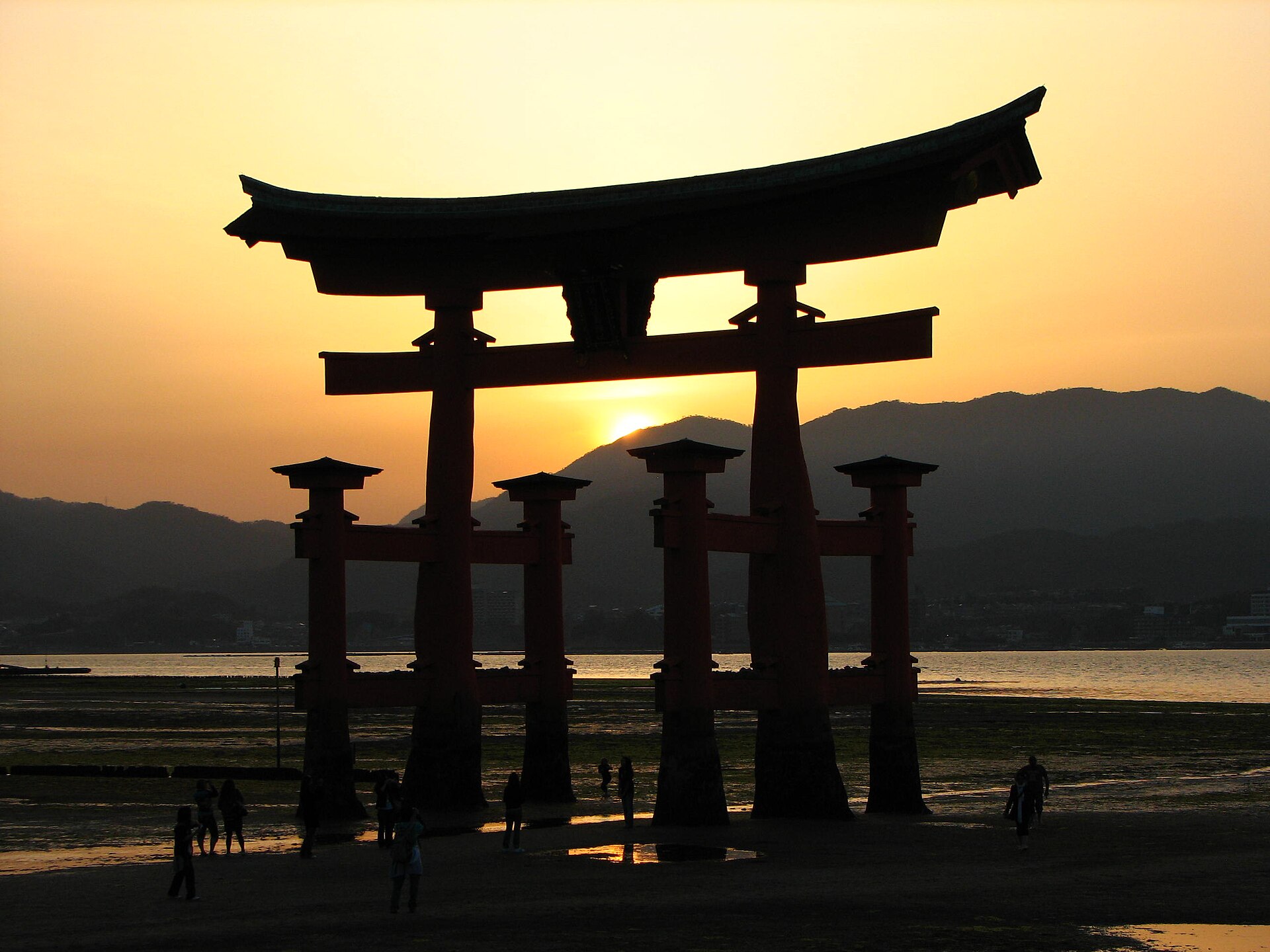
The Sanyo Shinkansen from Shin-Osaka or Kyoto to Hiroshima is in the region of about an hour and a half on the faster trains; confirm the time when you reserve. From Hiroshima Station, streetcars and trains connect to the Peace Memorial Park and to the ferry for Miyajima (Itsukushima). Give the Peace Memorial Park and museum the time they deserve; this is not a backdrop. Miyajima’s shrine gate is tidal, so the view changes through the day — check a tide table if that matters to you, and leave enough time to get back to Hiroshima for the last comfortable train to Osaka.
A remaining Osaka day can be local: Osaka Castle and the park, the kitchens of Kuromon, or the evening lights of Dōtonbori. If Universal Studios Japan is the point of the trip, give it a full day and read the official ticket rules beforehand; it does not combine well with Hiroshima on the same date.
Depart from Kansai International Airport or, less often, from Itami. Build in more transfer time than you think you need.
The wider loop, in brief
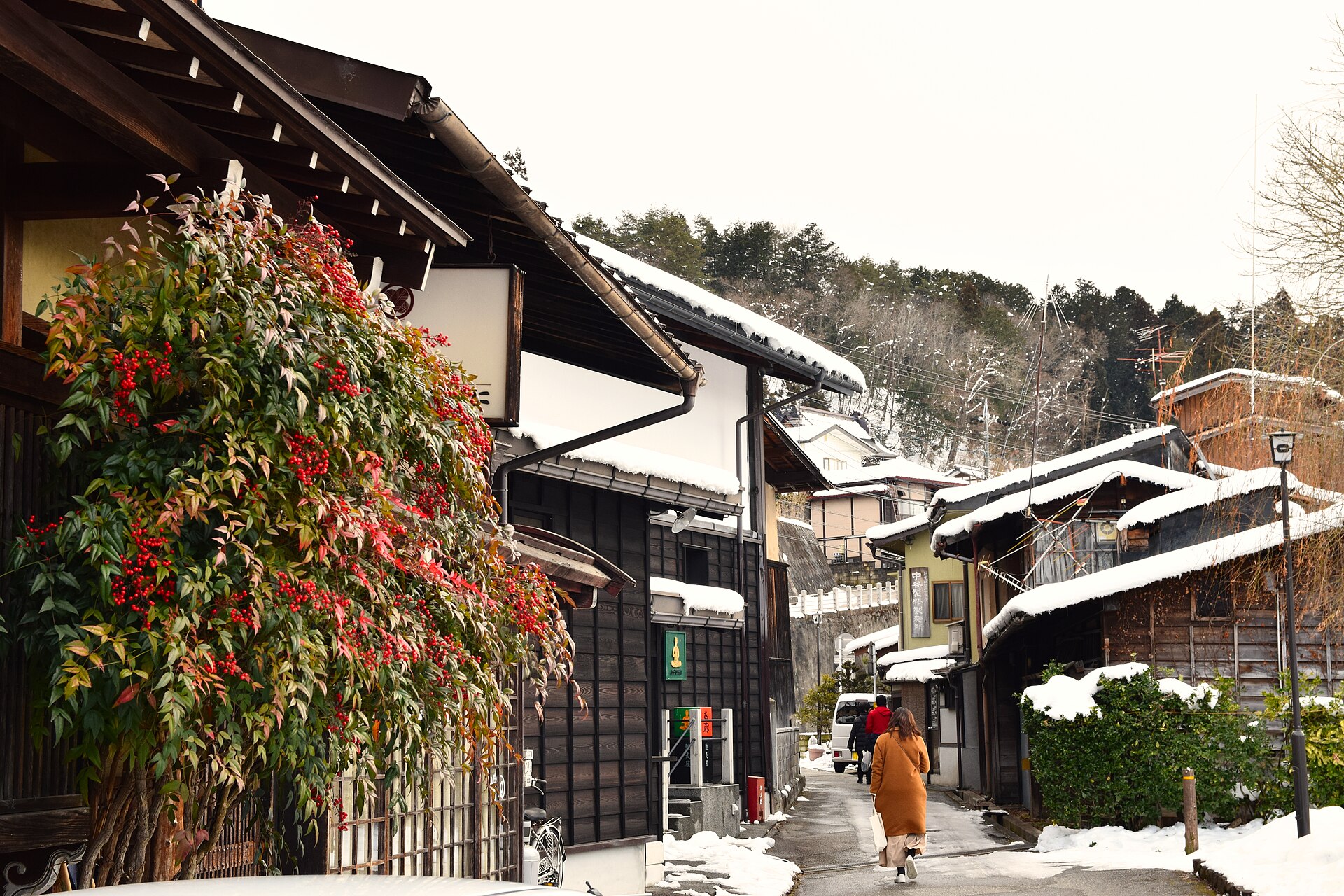
If you choose the Takayama version, leave Tokyo on the morning of Day 4. The usual route is the Tokaido Shinkansen to Nagoya, then the JR Hida limited express into the mountains. The combination is in the area of four to four and a half hours; it is a travel morning, not a sightseeing morning. Takayama’s old streets, morning market, and surrounding Hida area are the reason to go. One night is tight; two nights is more humane. Then continue to Kyoto by train, and pick up the 3-base plan from there, with Hiroshima on the way to Osaka.
This version is the one most likely to justify a 7-day Japan Rail Pass. Do the addition with current fares before you pay for the pass.
If you would rather not plan every train
Independent travel is the default in this article because it is flexible and, on this corridor, quite straightforward. It is not the only honest option. First-time visitors who want a CEO or guide to handle tickets, or who prefer not to arrive in a new city alone, sometimes use a small-group tour that follows a similar Tokyo-to-Osaka (or Tokyo-to-Tokyo) route.
Operators such as G Adventures publish several Japan itineraries. Some are aimed at travelers aged 18–39. Others are Classic-style trips with no upper age limit, on which adults can usually join from 18 and younger travelers may join with a guardian, subject to the operator’s own rules. An 11-day Tokyo-to-Osaka trip and longer Classic itineraries that add places such as Kanazawa, Takayama, or the Mount Fuji area have all appeared on the company’s Japan list. Prices change by departure and by promotion, so the only reliable figure is the one on the official trip page on the day you check. If you compare a tour with the independent plan above, look at what is actually included — many cheaper trips include transport and hostels but not meals — and at the age band, the sleeping arrangements, and the amount of free time.
A tour is a poor fit if your main aim is a slow Kyoto or a detour that is hard to rebook. It can be a good fit if you want the logistics taken out of your hands, and if you are happy to travel with the same small group.
A short packing and booking order
- Flights that arrive with enough afternoon left to reach the hotel without panic. A 15:00 arrival in Tokyo is a very different day from a 21:00 arrival.
- Hotels in three (or four) pieces, not ten. Book places that can hold luggage after checkout.
- Shinkansen seats for the long legs, especially around weekends and holidays.
- An IC card plan (Welcome Suica or mobile IC).
- Any timed-entry museum or park tickets, bought from official sites.
- Luggage-forwarding for at least one of the long city changes.
You do not need a perfect spreadsheet. You need an easy first night, a pass decision based on arithmetic rather than folklore, and a pace that leaves you able to enjoy the last two days.
Sources
- Japan Rail Pass, “Types and prices,” official site: https://japanrailpass.net/en/purchase/price/
- JR Group, “Price Changes for the Japan Rail Pass,” 9 April 2026, PDF on the official Japan Rail Pass site: https://japanrailpass.net/assets/pdf/JRP_Price_Changes_En.pdf
- JR East, “Welcome Suica”: https://www.jreast.co.jp/en/multi/welcomesuica/welcomesuica.html
- JR East, “Welcome Suica” purchase, validity, top-up and refunds: https://www.jreast.co.jp/en/multi/welcomesuica/purchase.html
- Japan National Tourism Organization, “Japan Rail Pass” guide: https://www.japan.travel/en/guide/jr-rail-pass/
- G Adventures, Epic Japan: Speed Trains & Street Food (11 days, Tokyo to Osaka): https://www.gadventures.com/trips/japan-travel/AJTO/
- G Adventures, Discover Japan and Back Roads of Japan (Classic-style itineraries): https://www.gadventures.com/trips/discover-japan/9269/ and https://www.gadventures.com/trips/backroads-of-japan/8597/
- G Adventures, FAQs (age rules vary by trip style): https://www.gadventures.com/faqs/