Disclosure: Japan Brief may later earn a commission if you book certain tours or travel services through links on this site. This article does not contain booking links yet, and it is not a sponsored review.
Two days in Kyoto is enough to feel the city. It is not enough to collect it. The version of this visit that goes wrong is familiar: Fushimi Inari at mid-morning, Kiyomizu-dera after lunch, a late push through the Arashiyama bamboo grove, and a tired hour in Gion after dark, all on the same feet, in the same weather, with the same suitcase still in a locker at Kyoto Station.
The better version is narrower. You give one famous place a genuine early start, and you spend the rest of the day somewhere that still has air in it. Official Kyoto tourism has been saying a version of this for some time: go early, do not block the slopes, and look at the city’s own comfort map before you leave the hotel. The advice is not a secret. It is simply the opposite of a packed postcard list.
This plan assumes you are already in Kyoto, or arriving on a morning shinkansen from Tokyo as in our 11-day first-trip itinerary. It is an independent outline. Guided days exist, including Classic-style tours with no upper age limit; they can help if you would rather not navigate the buses yourself. They are not required.
The only tactic that reliably helps
Crowds in Kyoto are not evenly spread. They collect at a few approach roads, at a few gates, and at a few hours. Cherry blossom, autumn color, and the Gion Festival make those hours worse; official city guidance singles out those seasons, along with places such as the Kiyomizu approach, Nishiki Market, and Arashiyama, as times and spots when stopping in the path is more than rude. It is a hazard.
You cannot be promised an empty Fushimi Inari or an empty Kiyomizu stage. You can, however, change the time you arrive, and you can refuse to stack the famous names on top of one another. The plan below is built around that refusal.
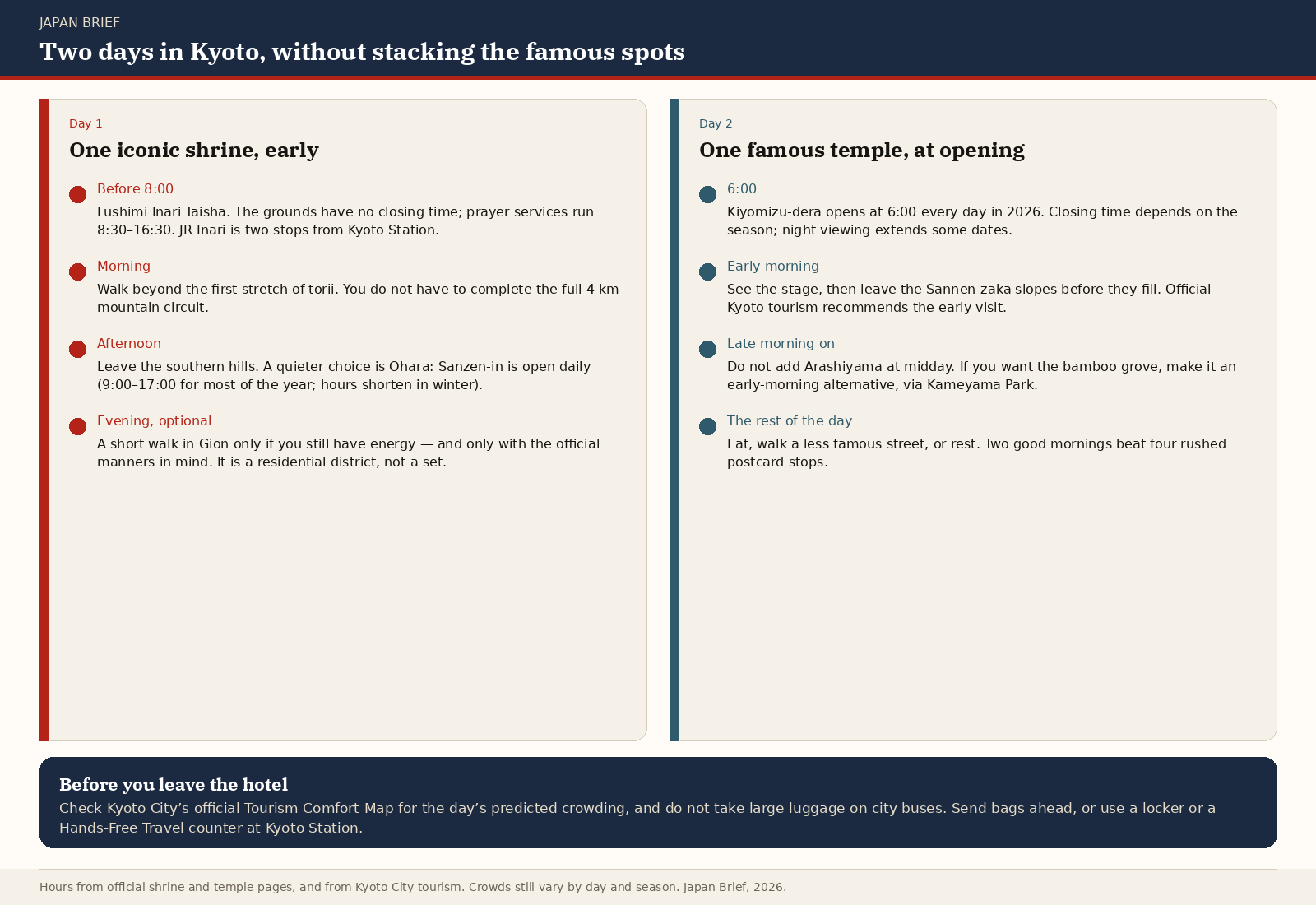
Before you go, look at Kyoto City’s official Tourism Comfort Map. It publishes a five-level crowding forecast by time of day and weather, and some popular streets have live cameras. It will not invent a quiet hour that does not exist, but it will stop you walking into a peak you could have seen coming.
Leave large luggage at the hotel, at a locker, or at a Hands-Free Travel counter at Kyoto Station. Official Kyoto tourism asks visitors not to take large bags on city buses. The buses are already doing a lot of work.
Day 1: Fushimi Inari early, then leave the southern hills
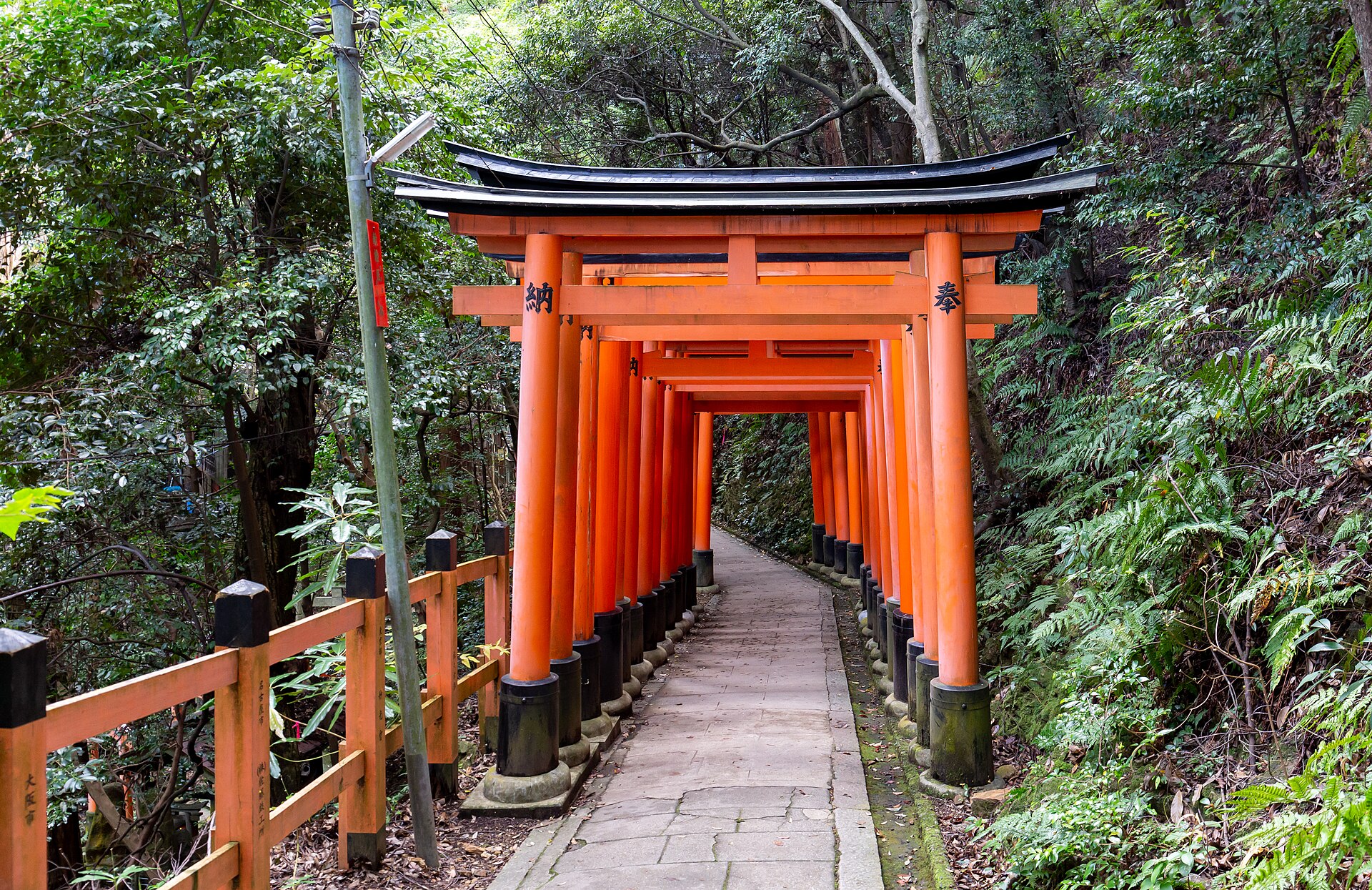
Fushimi Inari Taisha is the head shrine of Inari worship in Japan. The vermilion torii gates on the mountain behind the main shrine are one of the most photographed sights in the country, which is exactly why you should not arrive at eleven.
Kyoto City’s official listing for the shrine is unusually clear: there is no closing time for the grounds, the shrine is open every day, prayer services run from 8:30 to 16:30, and the amulet office is open from 8:00 to 18:00. The shrine’s own site gives the same prayer hours, with reception until about 16:00, and notes that New Year and festival days can be different. In other words, you can walk the precinct at dawn. You cannot assume that a priest will be there to help you at dawn.
Get there before 8:00 if you can, earlier if you are already an early riser. From Kyoto Station the official access is simple: JR Inari Station is two stops, about five minutes, on the Nara Line, and the shrine is next to the station. The Keihan Line’s Fushimi-Inari Station is a short walk from the other direction. Official guidance is to come by public transport; the parking areas are often full.
Walk through the first tunnels of gates, then keep going. The most congested stretch is the one nearest the main shrine, because that is the stretch that fits in a single photograph. Kyoto City’s own notes put the full mountain circuit at about four kilometers and about two hours. You do not have to complete it. A slower hour beyond the first photogenic corridor is often the better first visit: it is still the same shrine, and you are no longer standing in a queue that thinks it is a hike. Stay on the paths, keep moving when people need to pass, and remember that this is a working shrine, not a set.
Eat something after you come down, then leave the area. Do not add Kiyomizu-dera to the same morning. The point of an early Fushimi start is to have a second, different kind of afternoon.
A quieter afternoon: Ohara and Sanzen-in
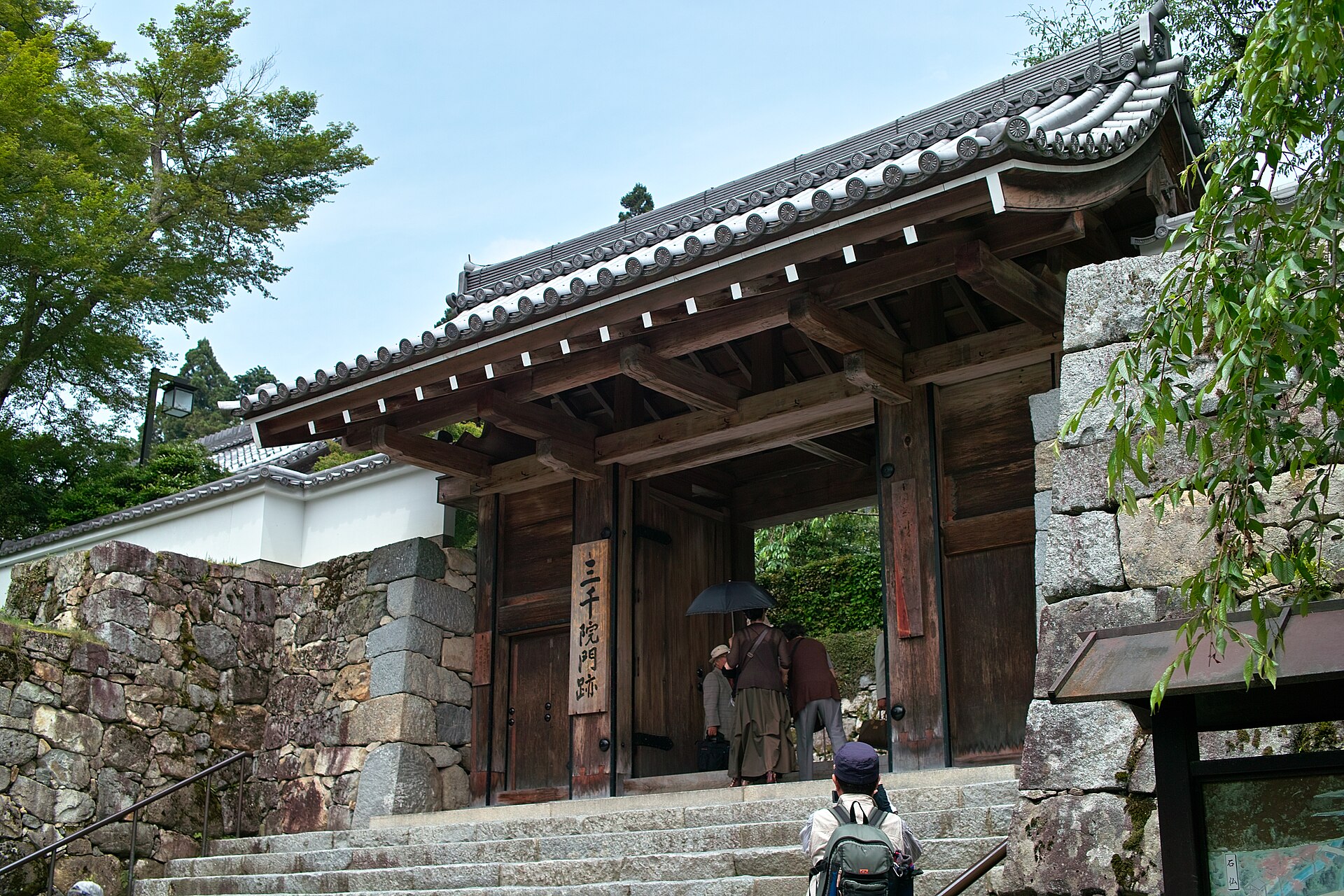
North of the city, in the Ohara valley, Sanzen-in is a Tendai temple with moss gardens, cedars, and a slower approach than anything on the southern tourist circuit. It is not secret, and it will not be empty on a fine autumn weekend. It is, however, a different rhythm from Fushimi Inari at midday, and it is far enough away that you have to choose it on purpose.
The temple’s official visitor guide is straightforward. It is open every day of the year. Visiting hours are 9:00 a.m. to 5:00 p.m. from March through October, 8:30 a.m. to 5:00 p.m. in November, and 9:00 a.m. to 4:30 p.m. from December through February. Adult admission is 700 yen (400 yen for junior and senior high school students, 150 yen for elementary school students). The official etiquette is the right one for any quieter temple: keep voices down, stay on the paths, do not block a view for a long photograph, and take your trash with you. Ohara is also a place where people live. The temple asks visitors not to block roads or step onto private property.
Access from Kyoto Station is a Kyoto City Bus Route 17 to the Ohara stop, about an hour, then a further ten-minute walk uphill, according to the temple. A slightly less wearing route is the Karasuma subway to Kokusaikaikan Station, then a Kyoto Bus to Ohara, about 23 minutes, and the same walk. Check the day’s bus times; a rural-edge bus is not a metro.
If a long bus ride does not appeal, a closer quieter alternative is to stay on the eastern side of the city and visit a temple that is not on the same postcard as Kiyomizu — Nanzen-ji, for example — and to treat it as a walk, not a checklist. Confirm hours on the temple’s own page before you go. The test is the same: one place, enough time, no need to film it.
If you walk through Gion later
Gion in the evening is tempting, and it can be a short, ordinary walk if you treat it as a neighborhood. Official Kyoto tourism and the Southern Gionmachi community have been unusually direct about what that means.
Do not stop, touch, follow, or photograph geiko or maiko without their permission, on a public street or anywhere else. They are on their way to work. Official pages say plainly that they are not mascot characters, and that blocking a path or grabbing at clothing can be a criminal matter, not a misunderstanding. If you want to see traditional dance, Gion Corner advertises daily performances; that is a ticketed room, not a candid photo on a lane.
Do not step into private property, private lanes, or temple and shrine grounds that are not open to you. Do not block the sidewalk or the road to take a picture — Hanamikoji is not a pedestrian-only street. Do not leave trash, and keep your voice down. The city’s own pages also ask you not to set up a tripod in the street, or treat the lanterns and fences of tea houses as props.
If you only remember one thing, remember this: Gion is a place where people live and work. A walk that keeps moving, stays on public streets, and does not chase anyone is a fine end to a day. A walk that treats the district as a theme park is the reason these rules were written.
Day 2: Kiyomizu-dera at opening, then stop stacking
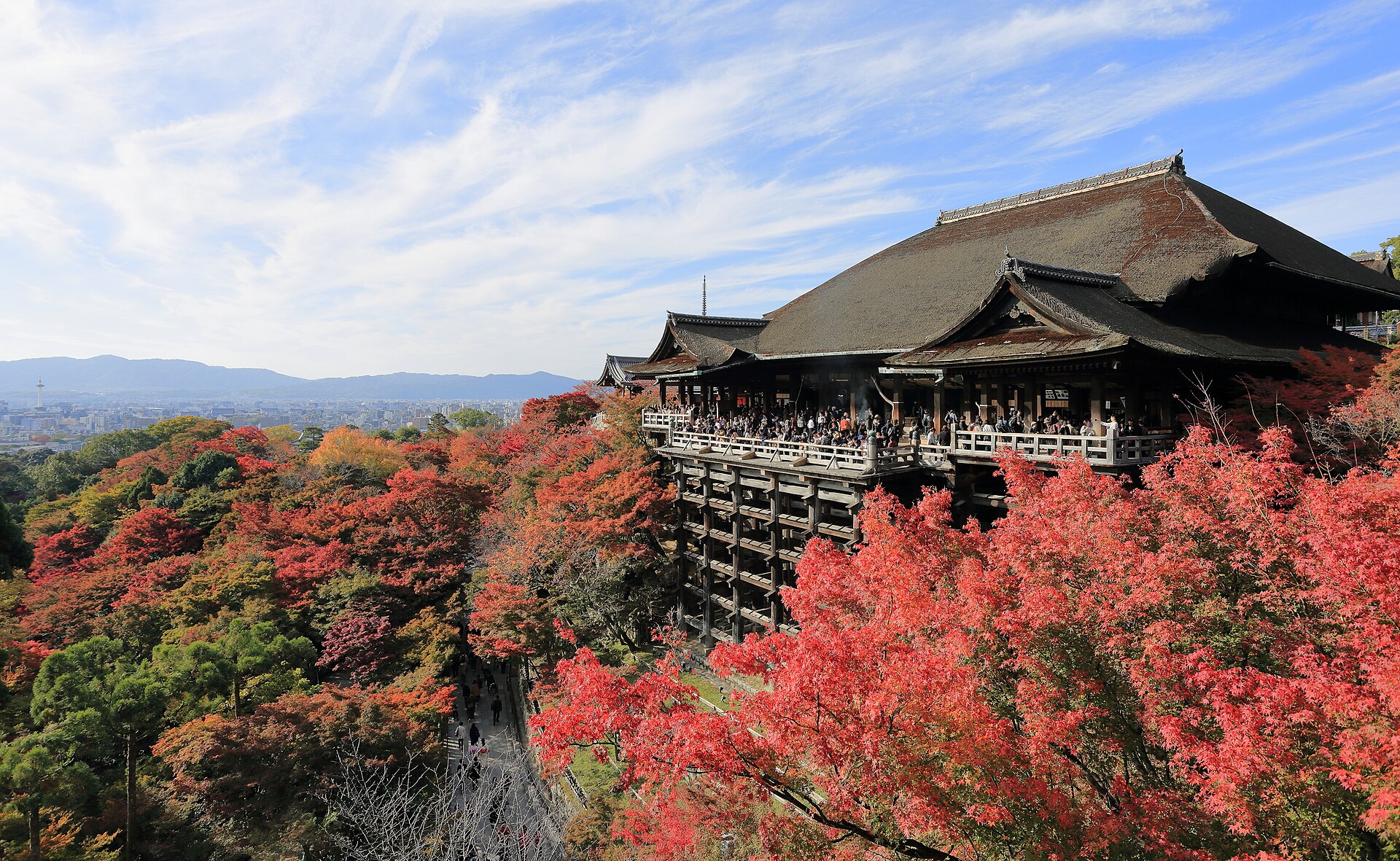
Kiyomizu-dera opens at 6:00 a.m. every day in 2026. That is the official hour, and official Kyoto tourism recommends using it. The closing time changes with the season. For 2026 the temple’s published hours are:
- 1 January to 26 March: 6:00 to 18:00
- 27 March to 5 April (spring night viewing): 6:00 to 21:30, last entry 21:00
- 6 April to 30 June: 6:00 to 18:00
- 1 July to 13 August: 6:00 to 18:30
- 14 to 16 August (summer night viewing): 6:00 to 21:30, last entry 21:00
- 17 to 31 August: 6:00 to 18:30
- 1 September to 20 November: 6:00 to 18:00
- 21 to 30 November (autumn night viewing): 6:00 to 21:30, last entry 21:00
- 1 to 31 December: 6:00 to 18:00
Night-viewing dates change from year to year. Admission is charged; confirm the current fee on the temple’s official page, which is also the place to check any unusual closure.
Go at opening if you can. The wooden stage and the hillside of maples or fresh leaves are the reason people come, and they are much easier to see when you are not in a slow shuffle. Then leave. The approach roads — Sannen-zaka, Ninenzaka, and the rest of the Kiyomizu-zaka climb — are where official manner guidance concentrates, because that is where people stop in the path to take a photograph, and where littering and smoking have been a documented problem. Keep walking when you are on those slopes. Eat off to the side, not in the middle of the stones.
From Kyoto Station, the temple lists city buses 206 and 100 to the Gojozaka stop, then a ten-minute walk; other approaches run from Keihan and Hankyu stations. The temple does not have its own parking lot, and it recommends public transport. Some mapping apps, the temple warns, will show you a walking route that does not actually lead onto the grounds. The official entrances are the Nio-mon route up Kiyomizu-zaka and the emergency-road entrance at the top of Chawan-zaka.
Once you have seen the temple, resist the urge to “add Arashiyama” to the same late morning. That is how two days turns into a moving crowd.
Arashiyama, only as an early alternative
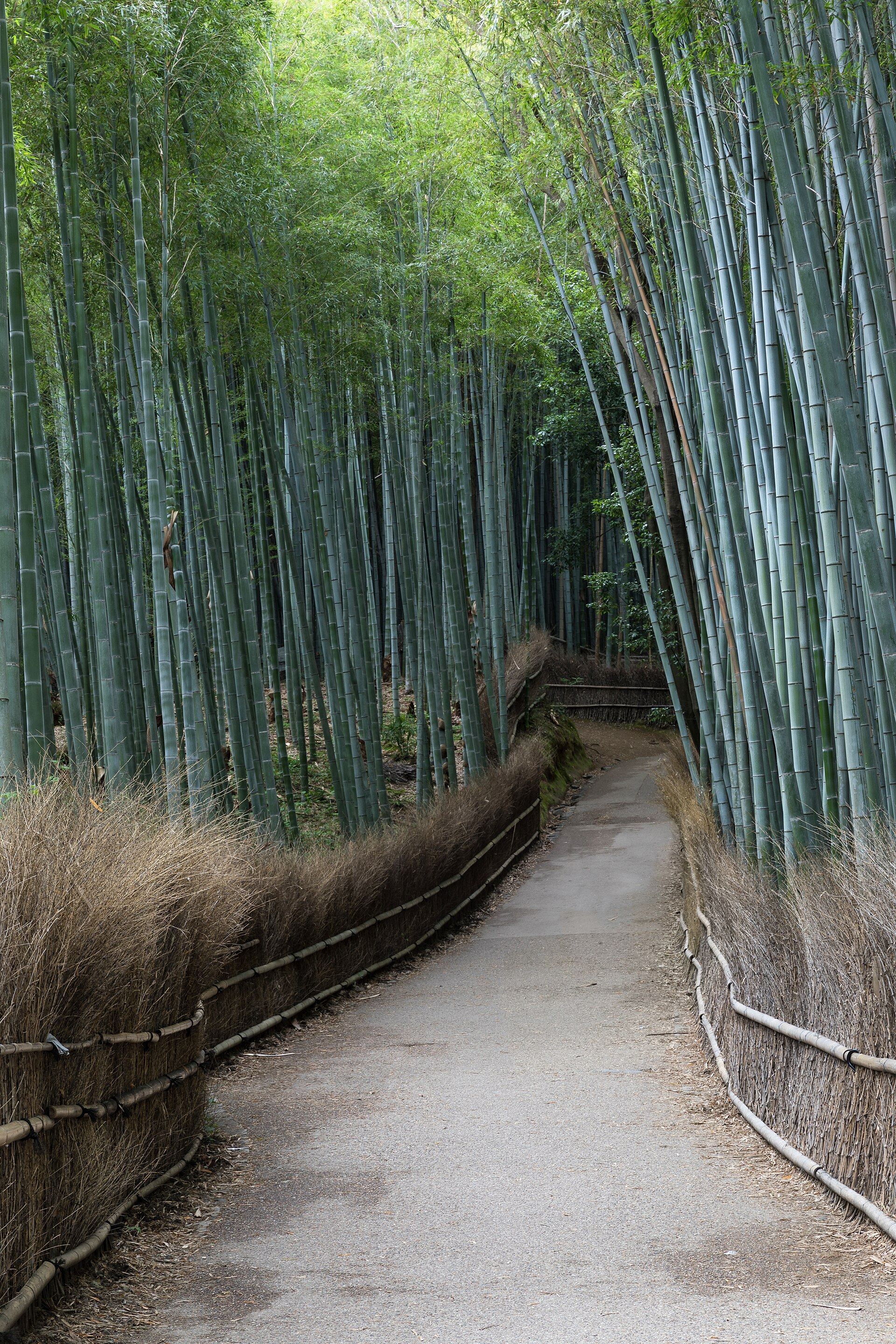
Arashiyama is worth a visit. It is also one of the places official Kyoto tourism tells you to handle carefully: do not litter, do not walk onto the train tracks, do not smoke in the street, and expect heavy crowding when the cherries or the maples are at their peak.
The official smart tip is useful, and it is the opposite of a midday drop-in. Go early, and approach the bamboo grove through Kameyama Park, which the city describes as a relatively emptier route, with a viewing point that is easy to miss if you only follow the main path. If you want Arashiyama in these two days, make it the early start instead of Kiyomizu, not an extra stop after Kiyomizu. Check the Comfort Map and, if you like, the live cameras for Togetsukyo and the bamboo grove before you go.
The bamboo path is a narrow corridor. Keep to the side if you stop, and do not treat it as a studio. The grove is at its best when you can still hear the leaves.
How to move, and what to cut
Kyoto’s city buses reach almost everything, and in high season they also carry almost everyone. For these two days, rail will do more of the work than you think. The JR Nara Line covers Fushimi Inari. The subway and a connecting bus cover Ohara. Keihan and the city buses cover the Kiyomizu side. Arashiyama has its own rail approaches. A packed city bus is the hard way to do a short hop, especially with even a modest bag.
Walk when the distances are human. The eastern temples sit on a slope, not a grid; shoes you can stand in for a few hours will matter more than an extra entry in the itinerary.
What to cut, if you are tempted to add more:
- Nishiki Market at peak hours, especially if you planned to eat while walking. Official guidance says walking while eating there is not allowed; eat at the shop or in a designated area, and use the shop’s bin.
- A second famous temple in the same morning as Kiyomizu or Fushimi.
- A maiko “photo walk.”
- Any plan that requires you to be at two ends of the city at the two worst times of day.
If your visit falls in winter, the early starts still work, and the gardens can be very beautiful with a little snow — which is not promised. If you are in Kyoto as part of a pop-culture itinerary, the same rule holds: one official, ticketed or sacred place, then a neighborhood you do not have to perform in.
Two days will not make you an expert on Kyoto. They will, if you start early and stop stacking the names, leave you with one mountain shrine and one hillside temple you actually saw, and an afternoon that belonged to you rather than to a queue. That is a better first visit than a map with every famous gate crossed off.
Sources
- Fushimi Inari Taisha, official site (access and prayer hours): https://inari.jp/en/ and https://inari.jp/en/access/ and https://inari.jp/grace/gokito/
- Kyoto City official tourism, Fushimi Inari Taisha listing (no closing time, prayer hours, amulet office, mountain circuit): https://ja.kyoto.travel/tourism/single01.php?category_id=7&tourism_id=448
- Kyoto City official tourism, Tourism Comfort Map: https://ja.kyoto.travel/comfort/fushimi/ and https://global.kyoto.travel/en/comfort/gion-kiyomizu/ and https://global.kyoto.travel/en/comfort/saga-arashiyama/
- Kyoto City official tourism, “Things to Keep in Mind while Exploring Kyoto and its Kiyomizu, Arashiyama and Gion Areas”: https://kyoto.travel/en/travel-inspiration/things-to-keep-in-mind-while-exploring-kyoto-and-its-kiyomizu-arashiyama-and-gion-areas/
- Kyoto City official tourism, “Gion manner (Message from Southern Gionmachi)”: https://kyoto.travel/en/responsible-travel/gion-manner-message-from-southern-gionmachi/
- Kyoto City official tourism, Responsible Travel: https://kyoto.travel/en/responsible-travel/
- Kiyomizu-dera Temple, official location and 2026 opening hours: https://www.kiyomizudera.or.jp/en/location/ and https://www.kiyomizudera.or.jp/access/hours/
- Kiyomizu-dera Temple, official FAQ: https://www.kiyomizudera.or.jp/en/faq/
- Sanzen-in Temple, official visitor guide (hours, admission, access, etiquette): https://www.sanzenin.or.jp/en/
- Japan National Tourism Organization, Fushimi Inari Taisha: https://www.japan.travel/en/spot/1128/
- G Adventures, FAQs (age rules vary by trip style): https://www.gadventures.com/faqs/